
"coffee in 19th century China"
300 article(s) found

Arabica Coffee Bean Classification
Pay close attention to the coffee review (Weixin Official Accounts vdailycom ) and find that the beautiful coffee shop opens its own small shop Arabica beans are an important kind of commercial coffee. The result period is within three years, with high-quality aroma and sour taste. Arabica coffee beans are mainly produced in South America (except parts of Argentina and Brazil), Central America, Africa (Kenya, Ethiopia, etc.), mainly in the East
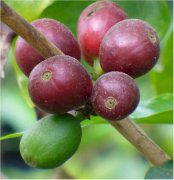
Introduction of Arabica coffee beans an important kind of commercial coffee
Arabica beans are an important kind of commercial coffee with a fruiting period of less than three years and a high-quality aroma and sour taste. Arabica coffee beans are mainly produced in South America (except parts of Argentina and Brazil), Central America, Africa (Kenya, Ethiopia and other places, mainly East African countries), Asia (Yemen, India, parts of Papua New Guinea). Arabica species (

Arabica beans Chinese characteristics of growing Arabica beans like Arabica beans
The planting situation in China Arabica is deeply loved by Chinese people with a short history of coffee contact because of its strong fruity aroma. it was introduced to China by missionaries in the 19th century. It is widely planted in Panzhihua, Sichuan, and the dry-hot valley of the Jinsha River, which is more than 1000 meters above sea level in western Yunnan. The sunshine time in this area is long, and there is a great temperature difference between day and night. The local people solve the lack of seasonal rainfall by diverting water up the mountain.

Arabica Coffee Bean Family introduces the characteristics of Price Origin
Arabica coffee bean family introduction price producing area characteristics Arabica is deeply loved by Chinese people with a short history of coffee contact because of its strong fruity aroma. it was introduced to China by missionaries in the 19th century. It is widely planted in the dry-hot valley of the Jinsha River, which is more than 1000 meters above sea level in Panzhihua, Sichuan and western Yunnan. The local people use the way of diverting water up the mountain.

China's first key laboratory for coffee testing starts construction of mobile network baking China Coffee Network
According to the Yunnan Pu'er entry-exit Inspection and Quarantine Bureau, the construction of the national key laboratory for coffee testing began in Pu'er City, marking the birth of China's only national professional laboratory for coffee products in Yunnan Province. Coffee cultivation in Pu'er City began at the end of the 19th century, and its industrialization began in 1988. In 2015, the planting area of coffee in Pu'er City was 757000 mu, with an output of 402300 mu and a yield of 39900 tons.

Which province is the main province of Chinese coffee? Chinese coffee brands rank in Chinese coffee producing areas.
Professional coffee knowledge exchange more information about coffee beans Please follow the coffee workshop (Wechat official account cafe_style) Coffee production in China began on a small scale in the late 19th century. It expanded in the 1960s, but it wasn't really valued until the 1980s. In the 1980s, the Chinese government, the United Nations and a multinational coffee roasting company invested in new cultivation and processing

Classification of Coffee beans Coffee Origin Coffee Coffee practice
Arabica was the only kind of coffee beans, then in the 19th century, there was a large area of diseases and insect pests, coffee growers began to look for other varieties of coffee resistant to diseases and insect pests, so Rob's special was discovered and began to be planted artificially. Robert's special growth in low-altitude areas, characterized by resistance to diseases and insect pests, cold, drought resistance, a word description, thick, but the taste is relatively comparative

Coffee species introduction Coffee Tree introduction Coffee planting method
Arabica was the only kind of coffee beans, then in the 19th century, there was a large area of diseases and insect pests, coffee growers began to look for other varieties of coffee resistant to diseases and insect pests, so Rob's special was discovered and began to be planted artificially. Robert's special growth in low-altitude areas, characterized by resistance to diseases and insect pests, cold, drought resistance, a word description, thick, but the taste is relatively comparative

Small fruit coffee (scientific name: Coffea arabica) also known as Arabica (Arabica)?
Small fruit coffee (scientific name: Coffea arabica), also known as Arabica (Arabica), is the most traditional Arabica coffee variety. Originally from East Africa, coffee was monopolized by the Arab world for a long time before the 15th century, so it was called Arabian coffee by Europeans. It turns out that all the commercial coffee in the world is small fruit coffee, but at the end of the 19th century, there was a big noodle.

Characteristics of the price of Arabica coffee
Price characteristics of Arabica coffee although there are many kinds of coffee in coffee shops, in the final analysis, there are only two kinds of artificially grown coffee, one is Arabica, the other is Coffea robusta (canephora), both of which are introduced from wild species. But its resistance to dryness, frost, diseases and insect pests is low, especially to coffee's biggest natural enemy.

Introduction to the Flavor and taste of Arabica Coffee in China
Arabica coffee accounts for 70% of all coffee production, and Arabica coffee accounts for 70% of all coffee products. its excellent flavor and aroma make it a direct drinkable coffee with only 8 Arabica beans (8). But its resistance to dryness, frost, diseases and insect pests is too low, especially the natural enemy of coffee-leaf rust, so all producing countries are in

How much does Arabica coffee cost? Flavor Description Taste Variety Introduction
Arabica coffee is popular among Chinese people who have a short history of coffee contact because of its rich fruity aroma. It was introduced to China by missionaries in the 19th century. It is widely cultivated in Panzhihua, Sichuan Province and Jinsha River dry and hot valley area with an altitude of more than 1000 meters in western Yunnan Province. The sunshine hours are long and the temperature difference between day and night is large. The local people use water diversion.

Which brand is better to buy coffee beans? what coffee beans are more famous?
Arabica was the only kind of coffee beans, then in the 19th century, there was a large area of diseases and insect pests, coffee growers began to look for other varieties of coffee resistant to diseases and insect pests, so Rob's special was discovered and began to be planted artificially. Robert's special growth in low-altitude areas, characterized by resistance to diseases and insect pests, cold, drought resistance, a word description, thick, but the taste is relatively comparative

Introduction to the characteristics of Arabica Coffee beans in Coffee Manor of Ethiopia
Arabica is deeply loved by Chinese people with a short history of coffee contact because of its strong fruity aroma. it was introduced to China by missionaries in the 19th century and was widely planted in Panzhihua, Sichuan, and the dry-hot valley of the Jinsha River in western Yunnan, where the sunshine was long and there was a big temperature difference between day and night. The local people solved the problem of insufficient seasonal rainfall by diverting water up the mountain.
Name of the producing country of the International Coffee Organization
International Coffee Organization during the 19th century, coffee became an important international trade because of the large number of demand. It makes most countries earn foreign exchange from coffee export trade as a source of money income for farmers and is an important trade in most countries. Because the split led to changes in prices and product standards, it ended at a conference in New York in 1962.
Coffee Culture of Coffee all over the World
The Discovery and spread of Coffee how was coffee discovered? When people taste mellow coffee, they can't help but ask such questions.

What is the difference between Arabica coffee beans and other coffee beans? Aceh 19 mesh, Sumatra, Indonesia
Arabica beans are an important kind of commercial coffee with a period of less than three years and have high-quality aroma and sour taste. Arabica coffee beans are mainly produced in South America (except parts of Argentina and Brazil), Central America, Africa (Kenya, Ethiopia, mainly East African countries), Asia (Indonesia, Yemen, India, Papua New Guinea).

What are the common coffee? which coffee tastes better?
There are many kinds of coffee, including Costa Rican coffee, Kenyan coffee, Blue Mountain coffee, and so on. Each coffee has its own flavor. And coffee is also good for the human body, so that's why so many people like to drink coffee. Arabica was the only kind of coffee beans, and then in the 19th century, there was a large area of diseases and insect pests.

Introduction to Fine Coffee-A brief introduction to the Market Price of Crystal Coffee varieties in Taiwan
In the 19th century, after the Sino-Japanese holiday, the Japanese occupied Taiwan and tried their best to promote coffee with high economic value. in 1941, Taiwan's coffee output was rich and its taste was good, which created the full period of coffee in Taiwan. however, soon after the launch of the Pacific Coffee in Japan, the sale of coffee became a problem, and there was no one to take care of it. Japan failed to withdraw, and the coffee fell after the lack of money.

Description of Arabica Coffee Bean characteristics and Flavor introduction of Grinding Calibration method in Manor production area
Arabica coffee bean characteristic flavor description taste manor area grinding scale treatment method Arabica is deeply loved by Chinese people with a short history of coffee contact because of its strong fruit aroma. It was introduced to China by missionaries in the 19th century. It is widely planted in the dry-hot valley of the Jinsha River, which is more than 1000 meters above sea level in Panzhihua, Sichuan and western Yunnan, where the temperature difference between day and night is long.